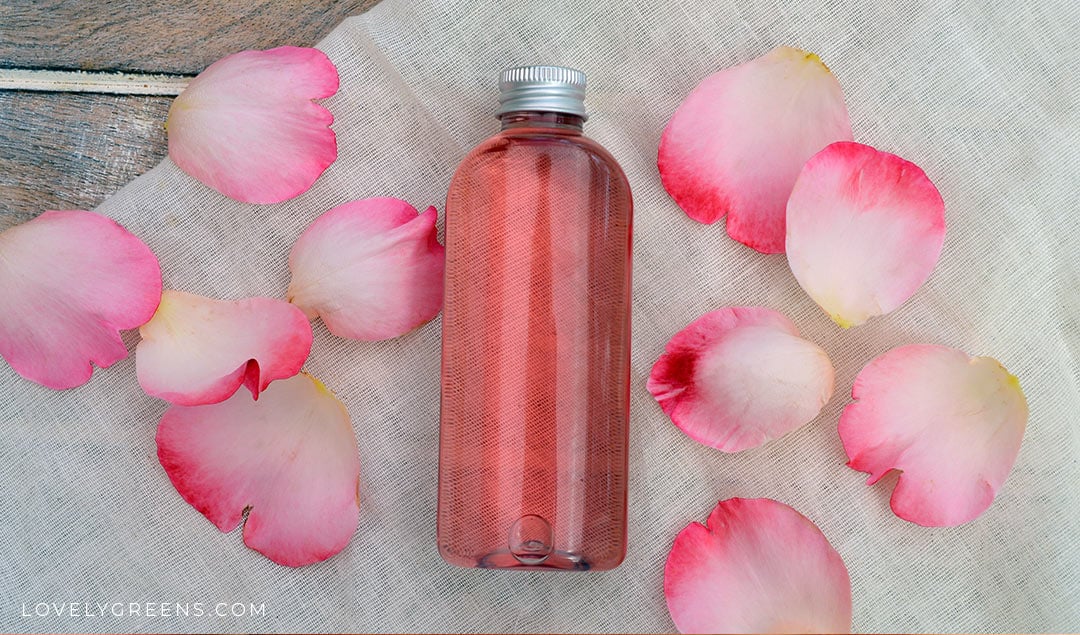
DIY Rose Essence: Crafting Aromatic Water, Oil & Tinctures for Culinary Delights
The delicate aroma and exquisite flavor of roses have captivated cultures for centuries, making their way from perfumeries to plates around the world. Imagine infusing your homemade desserts, beverages, or even savory dishes with the pure, unadulterated essence of this revered flower. While store-bought rose water and extracts are readily available, learning how to make rose extract rose essence at home offers an unparalleled level of freshness, control, and a deeply satisfying connection to your ingredients. This comprehensive guide will walk you through various DIY methods, allowing you to create your own rose water, rose-infused oil, and a potent rose tincture, each perfect for different culinary applications.
Choosing the Perfect Petals: The Foundation of Exquisite Rose Essence
The journey to exceptional rose essence begins with the right roses. Not all roses are created equal when it comes to fragrance and flavor. For culinary use, it's paramount to select highly aromatic varieties that are grown organically and are free from pesticides and chemical sprays. The most renowned types include:
- Damask Roses (Rosa x damascena): Widely considered the gold standard for rose essence, these roses are incredibly fragrant and yield abundant petals.
- Cabbage Roses (Rosa centifolia): Known for their many petals and sweet, honeyed scent, they are another excellent choice.
- Hybrid Teas (Select Varieties): While many hybrid teas prioritize visual appeal, some possess a delightful fragrance suitable for extraction. Always smell them first!
Expert Tip: Harvest your rose petals in the early morning, just after the dew has evaporated but before the sun becomes too intense. This is when their essential oils are most concentrated. Gently pluck the petals, leaving the green parts and stamens behind, as these can impart a bitter flavor. Give them a quick, gentle rinse if necessary, then pat them dry.
Crafting Rose Water: The Gentle & Aromatic Elixir
Rose water is perhaps the most widely recognized form of rose extract, beloved for its subtle flavor and aroma in cooking and skincare. There are two primary DIY methods for creating this gentle essence:
1. Stovetop Distillation (The Medieval Method)
This traditional method uses steam to extract the essence, resulting in a purer, more concentrated rose water. It might sound complex, but it's essentially a clever way to replicate distillation at home.
What you'll need:
- Large pot with a lid (preferably clear)
- Small, heat-proof bowl (that fits inside the pot)
- Trivet or small canning rack
- Ice
- 2-3 cups fresh, fragrant rose petals (pesticide-free)
- Distilled water (enough to cover the petals, but not touch the bowl)
Instructions:
- Place the trivet or canning rack at the bottom of the large pot.
- Center the small, heat-proof bowl on top of the trivet. This bowl will collect your rose water.
- Arrange the rose petals around the small bowl, filling the pot without overflowing the inner bowl.
- Pour distilled water into the pot, just enough to cover the petals but ensuring it doesn't spill into the collection bowl.
- Invert the pot lid and place it on top of the pot. The inverted lid acts as a condenser.
- Place ice cubes on top of the inverted lid. The cold temperature will cause the steam to condense and drip into your collection bowl.
- Bring the water to a gentle simmer over low to medium heat. Maintain a low simmer – you want steam, not a rolling boil.
- Continue simmering for 1-2 hours, adding more ice to the lid as it melts. Monitor the water level in the pot to prevent scorching the petals.
- Once finished, carefully remove the lid and the collection bowl. The liquid in the small bowl is your precious rose water.
Yield & Storage: You'll typically get about a cup or less of highly concentrated rose water from several cups of petals. Store it in a clean, sterilized glass bottle in the refrigerator for up to 2-3 weeks, or freeze it for longer preservation.
2. Cold Steep Infusion (Simpler, but Milder)
For a quicker, gentler rose water, a cold steep is an option, though it won't be as potent as distilled rose water.
What you'll need:
- 1-2 cups fresh rose petals
- 2-3 cups distilled water
- Glass jar with lid
- Fine-mesh sieve or coffee filter
Instructions:
- Place the clean rose petals into the glass jar.
- Pour the distilled water over the petals, ensuring they are fully submerged.
- Cover the jar and refrigerate for 12-24 hours. The longer it steeps, the stronger the flavor will be, but avoid going too long to prevent bitterness.
- Strain the liquid through a fine-mesh sieve or coffee filter to remove all petal fragments.
Yield & Storage: This method yields a milder rose water, best used immediately or stored in the refrigerator for up to a week. It's excellent for delicate drinks or light baking where a subtle hint of rose is desired.
Infusing Rose Oil: Aromatic Oils for Culinary Delights
Rose-infused oil offers a different dimension of rose flavor, carrying the fat-soluble aromatic compounds into a versatile cooking medium. It’s perfect for savory dishes, dressings, or even subtle baking.
What you'll need:
- 1 cup fresh or slightly air-dried rose petals (important for preventing mold)
- 1 cup light, edible carrier oil (e.g., grapeseed, sweet almond, light olive oil, or fractionated coconut oil)
- Clean glass jar with lid
- Cheesecloth or fine-mesh sieve
Instructions:
Before infusing, ensure your petals are completely dry. Excess moisture can lead to mold and spoil your oil. You can gently air-dry them on a clean towel for a day or two.
- Place the dried rose petals into the clean glass jar.
- Pour the chosen carrier oil over the petals, ensuring they are fully submerged.
- Cold Infusion Method (Milder): Seal the jar tightly and place it in a sunny spot (like a windowsill) for 2-4 weeks. Shake the jar gently every day or two to encourage infusion.
- Warm Infusion Method (Faster, Stronger): Place the open jar in a saucepan filled with about an inch of water, creating a double boiler. Heat over very low heat for 2-4 hours (do not boil the oil), ensuring the water doesn't evaporate completely. This gentle warmth helps extract the compounds more quickly.
- After the infusion period, strain the oil through several layers of cheesecloth or a fine-mesh sieve, squeezing the petals to extract all the oil.
Storage & Use: Store the rose-infused oil in a dark glass bottle in a cool, dark place. It will last for several months, similar to the shelf life of your chosen carrier oil. Use it in salad dressings, to subtly flavor baked goods like shortbread, or drizzle over roasted vegetables for an unexpected floral note. While the flavor may be milder than a tincture, it adds a lovely richness.
Making Potent Rose Tincture (Alcohol-Based Essence): The True Concentrate
If you're aiming for a strong, concentrated "essence" with a long shelf-life, an alcohol-based tincture is your best bet. Alcohol effectively extracts a wide range of aromatic compounds, making it incredibly potent and suitable for high-impact flavoring.
What you'll need:
- 1 cup fresh, fragrant rose petals
- 1 cup high-proof, neutral alcohol (e.g., 80-100 proof vodka, white rum, or food-grade grain alcohol like Everclear for a more potent extract)
- Clean glass jar with a tight-fitting lid
- Fine-mesh sieve or coffee filter
Instructions:
- Gently tear or chop the fresh rose petals to increase their surface area. Place them in the clean glass jar.
- Pour the alcohol over the petals, ensuring they are completely submerged. The alcohol should cover the petals by at least an inch.
- Seal the jar tightly and store it in a cool, dark place (like a pantry or cupboard) for 2-6 weeks.
- Shake the jar daily or every other day to agitate the petals and promote extraction.
- After the desired steeping time (the longer it steeps, the stronger the flavor, but taste-test after 2 weeks), strain the liquid through a fine-mesh sieve lined with cheesecloth or a coffee filter. Squeeze the petals to extract every last drop of the precious tincture.
Storage & Use: Store your rose tincture in a dark glass dropper bottle in a cool, dark place. Given the high alcohol content, it can last for several years. This is a highly concentrated product, so use it sparingly – a few drops are often all that's needed to impart significant rose flavor to cocktails, icings, homemade candies, or baked goods. Remember, a little goes a long way when you how to make rose extract rose essence in this form!
Advanced Extraction: Unlocking Pure Rose Oil with Bubble Bags
Beyond the home kitchen, a fascinating and more specialized method exists for extracting a highly potent form of rose essence, closer to a true essential oil: the use of 'Bubble Bags'. This technique, often associated with botanical extractions, utilizes cold water and agitation to mechanically separate resinous glands and essential oils from plant material.
Imagine starting with dozens of fresh, organically grown rose heads. These are gently agitated in ice-cold water using a mixer, allowing the delicate essential oil glands to separate from the petals. After a brief settling period, the water is filtered through a series of specialized mesh bags, known as Bubble Bags, each with progressively smaller micron sizes (e.g., 220u, 190u, 160u, 120u, 73u, 45u, 25u). Each bag captures different particulate sizes, and the finest bags often yield a concentrated, pure essential oil product.
The result, though often a very small amount of dry product, is incredibly potent and flavorful, providing a pure aromatic experience. While this method requires specialized equipment and is less common for typical home cooking applications, it highlights the diverse possibilities in rose essence extraction for potent aromatic compounds. For a deeper dive into this fascinating technique, explore our article on Bubble Bag Rose Oil: Extracting Potent Essence at Home.
Culinary Uses and Storage Tips for Your Homemade Rose Extracts
Having successfully learned how to make rose extract rose essence in various forms, you're now ready to unleash their aromatic power in your kitchen!
- Rose Water: Ideal for delicate desserts like panna cotta, rice pudding, baklava, Turkish delight, and lassi. It's also a beautiful addition to cocktails, lemonades, or as a finishing spray for fresh fruit. Store in the refrigerator.
- Rose Oil: Use subtly in salad dressings, as a finishing oil for roasted vegetables, in light pastries, or to infuse chocolate. Keep in a cool, dark place.
- Rose Tincture/Essence: Due to its potency, use drop by drop in icings, glazes, custards, homemade ice cream, or even to add a sophisticated twist to gin and tonics or champagne. Store in a dark, cool cupboard.
Always start with a small amount and taste as you go, as the intensity of your homemade extracts can vary. Label your bottles with the date and type of extract for easy reference. To compare these methods more broadly and understand their nuances, see our guide on How to Make Rose Essence: Comparing Top Extraction Methods.
Conclusion
Creating your own rose essence, whether it's a fragrant rose water, a subtle rose-infused oil, or a potent rose tincture, is a rewarding endeavor that connects you directly to the magic of this timeless flower. By following these methods, you gain control over the quality and purity of your ingredients, elevating your culinary creations with an authentic, homemade touch. Experiment with different rose varieties and methods to discover your favorite expressions of rose flavor, and enjoy the delightful journey of bringing this ancient aroma into your modern kitchen.
