How to Make Rose Essence: Comparing Top Extraction Methods
The delicate, intoxicating aroma of roses has captivated humanity for centuries, not just for their beauty but for their profound essence. From ancient perfumes to modern gourmet kitchens, rose extract, rose essence, and rose oil are coveted for their unique fragrance and flavor. But what exactly is rose essence, and more importantly, how to make rose extract rose essence in your own home? The journey of extracting this precious liquid is as diverse as the rose varieties themselves, offering enthusiasts a range of methods from complex, high-yield essential oil extraction to simple, aromatic rose water production.
Whether you're aiming for a potent essential oil, a fragrant culinary water, or a long-lasting alcohol-based tincture, understanding the different extraction methods is key to achieving your desired product. Each technique offers a unique balance of potency, purity, and practicality, transforming humble rose petals into liquid gold.
Understanding Rose Essence: What Are You Trying to Make?
Before diving into the "how-to," it's crucial to distinguish between the various forms of rose essence, as each serves a different purpose and is produced through distinct methods:
- Rose Essential Oil (Attar of Roses): This is the most concentrated form, a complex blend of volatile aromatic compounds extracted directly from the rose petals. It's incredibly potent, highly valued, and typically produced through steam distillation or solvent extraction. Our Bubble Bag method offers a unique, water-based approach to extract a highly concentrated form of this oil.
- Rose Water (Hydrosol): A fragrant byproduct of steam distillation, or simply made by steeping petals in water. It's a much milder, water-soluble product perfect for culinary uses, facial toners, and light aromatherapy.
- Rose Tincture (Alcohol Extract): Created by steeping rose petals in high-proof alcohol, this method extracts both water-soluble and alcohol-soluble compounds, resulting in a potent, shelf-stable liquid ideal for baking and flavoring where alcohol can evaporate during cooking.
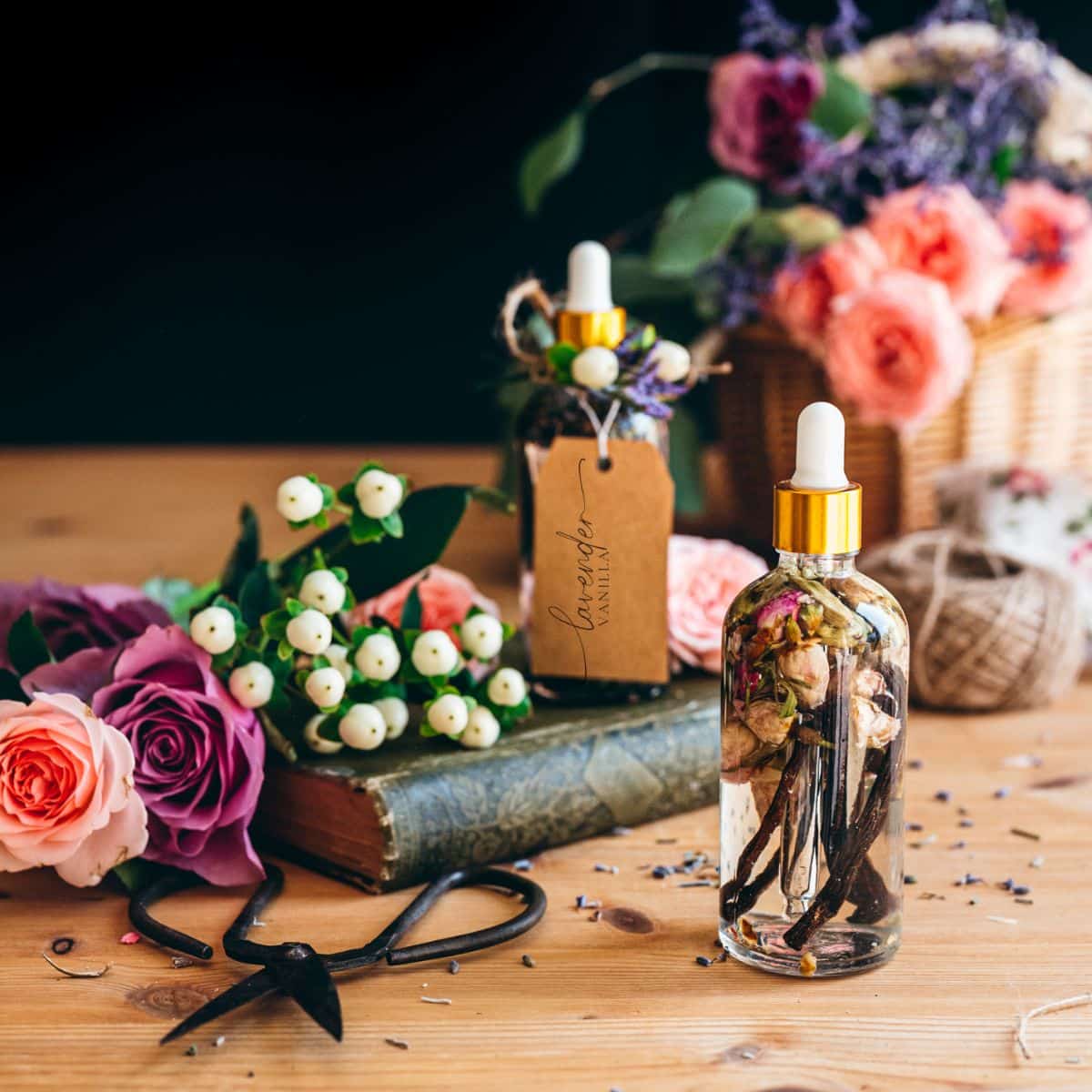
- Rose Infused Oil: Made by steeping rose petals in a carrier oil (like jojoba, almond, or grapeseed). This transfers the oil-soluble fragrant compounds into the carrier oil, excellent for cosmetic applications, massage, or mild culinary uses where a fat base is desired.
Your choice of method largely depends on the specific type of rose product you wish to create and its intended application.
The Potent Purity: Essential Oil Extraction with Bubble Bags
Imagine harnessing the pure, unadulterated essence of roses in a highly concentrated form. While traditional commercial essential oil production often involves large-scale steam distillation, an innovative, water-based method using specialized filtering bags—often referred to as Bubble Bags—can yield an incredibly potent rose essential oil at home.
This method was famously put to the test with organic roses from Peru, aiming to extract essential oil while keeping the delicate rose heads intact. The goal was to produce an extract of such purity that it could rival the commercial 'attar of roses' – which can fetch astonishing prices on the market.
The Bubble Bag Extraction Process:
- Preparation: Start with a manageable quantity of fresh, fragrant rose heads. Quality is paramount; ensure they are organically grown and free of pesticides. A few dozen rose heads are sufficient for an experimental run.
- Gentle Agitation: Place the rose heads into a bucket filled with cold water and ice. Submerge a cake mixer on a low to medium setting for approximately 4 minutes. The gentle agitation helps separate the delicate essential oil glands and trichomes from the plant material without damaging the rose heads themselves.
- Settling Period: After mixing, allow the mixture to settle undisturbed for about 15 minutes. This gives the heavier essential oil particles time to sink to the bottom of the bucket.
- Progressive Filtration: The core of the Bubble Bag method involves a series of micron-graded filter bags. These bags are stacked inside each other, typically starting with the largest micron size on top and the smallest at the bottom. The water is then poured through this stack of bags. The process involves systematically pulling each bag to collect different grades of extract:
- 220u (Blue Work Bag): Removes the largest plant material.
- 190u (Green Bag): Filters out coarser particles.
- 160u (Red Bag): Catches slightly finer material.
- 120u (Orange Bag): Continues the refinement.
- 73u (Yellow Bag): A common collection point for purer extracts.
- 45u (White Bag): Further refines the product.
- 25u (Purple Bag): Collects the finest, most potent essential oil product.
- Drying and Collection: After pulling each bag, the collected material (often a small amount of dry product from the finer micron bags) is carefully scraped off and dried. This final product is the highly concentrated rose essential oil.
The yield from this method might be small, but its potency is remarkable. Those who have tried it describe it as "absolutely incredible," with a "very potent and flavorful" rose taste that lingers. This unique water-based extraction offers a fascinating way to produce a high-quality rose essential oil without harsh solvents or complex distillation equipment.
For a deeper dive into this fascinating technique and more detailed steps, check out our guide on Bubble Bag Rose Oil: Extracting Potent Essence at Home.
Culinary Delights: Making Rose Water, Tinctures, and Infused Oils
For those focused on culinary applications, beauty products, or a more accessible entry into rose essence making, several kitchen-friendly methods offer wonderful results without the specialized equipment of essential oil extraction.
1. Traditional Steam Distillation for Rose Water
This method, a nod to medieval culinary practices, focuses on producing fragrant rose water. While it's time-consuming, it's a rewarding experiment that yields a delightful hydrosol.
The "Medieval Recipe" Process:
- Setup: In a large pot, place a small, heat-proof bowl on an elevated rack (like a canning rack or an inverted smaller bowl) in the center.
- Petals & Water: Fill the pot with fragrant, pesticide-free rose petals (dried Damascus roses are excellent choices) up to the top of the inner bowl's rim, but not over it. Add enough water to cover the petals, ensuring it doesn't spill into the inner bowl.
- Condensation Apparatus: Place a lid (or another bowl that fits snugly inside the pot) upside down on top of the pot. Fill the inverted lid with ice to promote condensation.
- Distillation: Heat the pot on a very low flame for several hours. As the water simmers, steam rises, condenses on the cold lid, and drips as pure rose water into the small bowl below. Monitor the water level to prevent scorching the petals.
You'll typically yield about a cup of beautiful rose water. As a bonus, the spent petals can be mashed, formed into balls, and dried to make scented rose beads! While convenient to buy, making your own offers a unique connection to ancient practices.
2. Alcohol-Based Rose Tincture (True Essence)
For a concentrated, shelf-stable rose essence ideal for baking and flavoring, an alcohol tincture is an excellent choice. This method creates a true "essence" strength, capturing a broad spectrum of rose compounds.
Ingredients:
- 1 cup fresh, fragrant edible rose petals (Damask, Rosa centifolia, or hybrid tea roses work well; ensure they are pesticide-free).
- 1 cup neutral, high-proof vodka or white rum (40-50% ABV is good; 95% grain alcohol will yield a stronger extract if available).
Process:
- Gently rinse and pat dry the rose petals.
- Place the petals in a clean glass jar.
- Pour the alcohol over the petals, ensuring they are fully submerged.
- Seal the jar tightly and store it in a cool, dark place for 2-4 weeks. Shake the jar gently every few days.
- After the steeping period, strain the liquid through a fine-mesh sieve or cheesecloth, pressing the petals to extract all the liquid.
- Transfer the finished rose tincture into a dark glass bottle for storage. It will last for several months, if not longer.
3. Rose Infused Oil
For a milder, oil-based extract, rose infused oil is straightforward and versatile.
Process:
- Loosely fill a clean glass jar with fresh or dried fragrant rose petals. If using fresh, allow them to air dry slightly to remove surface moisture, which helps prevent mold.
- Cover the petals completely with a light, edible carrier oil (e.g., sweet almond oil for cosmetics, or grapeseed/sunflower oil for culinary uses).
- Method 1 (Cold Infusion): Seal the jar and place it in a sunny windowsill for 2-4 weeks, shaking daily.
- Method 2 (Warm Infusion): Gently heat the oil and petals in a double boiler over low heat for 2-3 hours. Do not let the oil get too hot.
- Strain the oil through a cheesecloth, pressing the petals to extract all the infused oil.
- Store the rose-infused oil in a clean, dark bottle.
This oil is wonderful for making lotions, balms, bath oils, or as a subtle flavor in desserts, though its flavor potency for baking might be less pronounced than a tincture.
To explore these culinary applications and more DIY recipes, see our comprehensive guide: DIY Rose Essence: Make Water, Oil & Tinctures for Cooking.
Choosing Your Roses & Essential Considerations
Regardless of the method you choose to make rose extract rose essence, the quality of your raw material is paramount. Not all roses are created equal when it comes to extraction.
- Fragrance is Key: The more fragrant the rose, the more potent your extract will be. The Damascus (Damask) rose is a gold standard, renowned for its intense perfume and high oil content. Other excellent choices include Rosa centifolia (Cabbage Rose) and some highly scented hybrid tea roses. If you can smell the roses from a block away, you're on the right track!
- Pesticide-Free is Non-Negotiable: Always use roses that have been grown organically, without the use of synthetic pesticides, herbicides, or fungicides. This is especially critical for any product you intend to consume or apply to your skin. Source them from your garden, a trusted organic grower, or a reputable organic herb supplier.
- Freshness Matters: For most methods, fresh petals yield the best results. Harvest them in the morning after the dew has dried, when their essential oil content is typically highest.
- Realistic Expectations: Rose essential oil is incredibly concentrated. Even with the most efficient home methods, yields will be small. A "very little amount of dry product" from dozens of rose heads is normal for potent essential oil. Rose water yields are higher but less concentrated.
- Cleanliness: Ensure all your equipment – jars, bowls, bags, and mixers – are thoroughly clean and sterilized to prevent contamination and extend the shelf life of your extract.
Conclusion
The journey of how to make rose extract rose essence is a rewarding blend of ancient tradition and modern innovation. Whether you're intrigued by the potent purity of a Bubble Bag essential oil, the historical charm of homemade rose water, or the practical versatility of a culinary tincture or infused oil, there's a method to suit your ambition. Each approach offers a unique way to capture the soul-stirring fragrance and flavor of the rose, transforming simple petals into liquid luxury. Experiment with different rose varieties, embrace the process, and enjoy the unparalleled satisfaction of creating your very own, exquisitely scented rose essence.
